
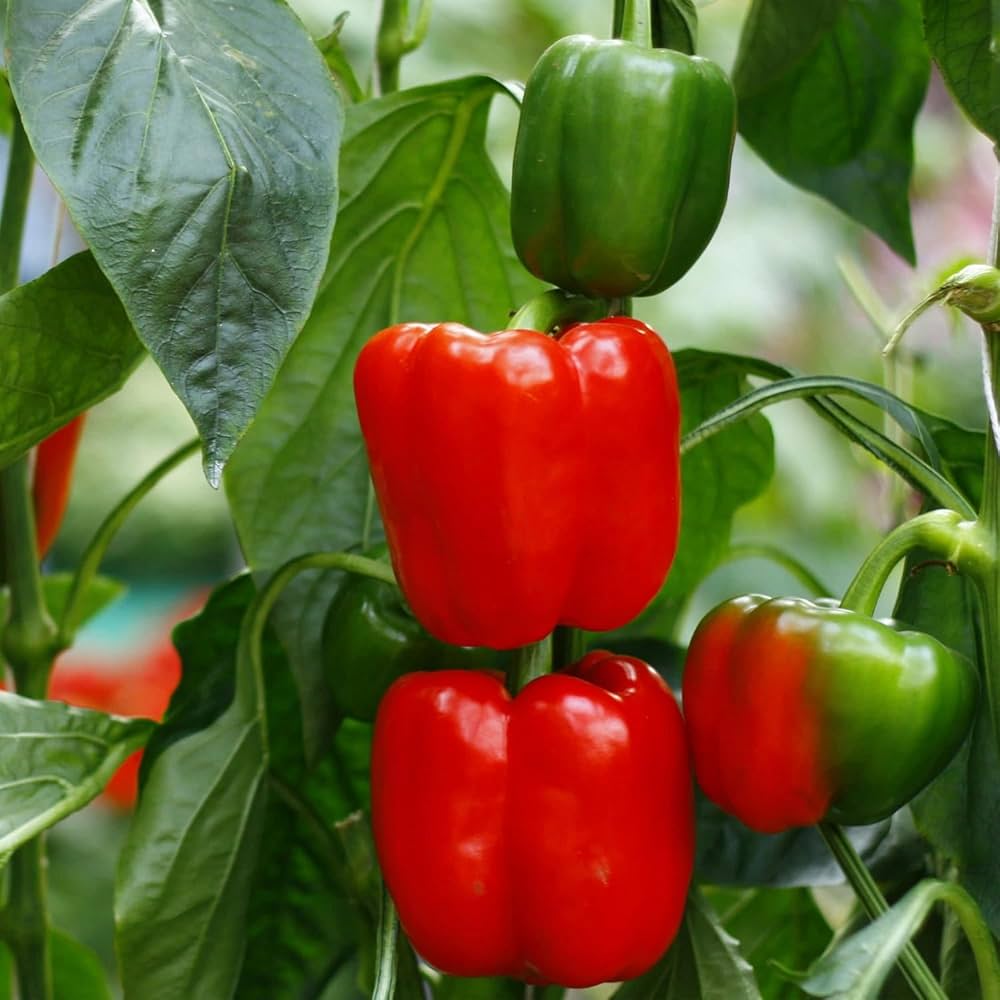
Description
A Sustainable Approach to Pepper Farming
Pepper farming is more than just growing crops; it’s an opportunity to cultivate flavorful produce, support sustainable agriculture, and tap into an ever-growing global demand for quality spices. Whether you’re an aspiring agricultural entrepreneur or an experienced farmer looking to diversify your yields, pepper farming can open doors to lucrative possibilities. This low-maintenance yet high-reward crop is ideal for farmers who value resilience and consistent returns.
The world of pepper farming offers a unique blend of challenges and rewards. With the right approach, proper planning, and a clear understanding of the crop’s needs, you can transform your farmland into a thriving hub for pepper production. From the rich aroma of freshly grown black pepper to the fiery tang of red chili, this venture allows you to cater to diverse markets, including culinary, medicinal, and cosmetic industries.
Requirements to Start Your Pepper Farming Journey
Starting a pepper farm requires careful consideration of key factors such as climate, soil quality, and systematic crop management practices. Pepper plants thrive in tropical and subtropical climates with adequate rainfall and temperatures ranging from 18°C to 32°C. Ensure your farming land has well-drained, loamy soil rich in organic matter to create an optimal environment for growth.
Choosing the appropriate pepper variety is crucial for success. Black pepper (Piper nigrum), chili peppers, bell peppers, and pepper hybrids each serve different purposes and markets. Assess your goals—whether they’re culinary use or large-scale export—and decide which variety suits your farm best. Beyond planting, integrating techniques like mulching, drip irrigation, and pest management can enhance crop health and optimize yield.
The Benefits and Opportunities of Pepper Farming
Pepper farming presents a host of advantages, starting with its profitability. As a globally traded spice and essential cooking ingredient, the demand for pepper remains steady, empowering farmers to access both local and international markets. Additionally, pepper cultivation contributes to sustainable farming practices, often serving as an intercropping option alongside other crops, boosting biodiversity and soil fertility.
Moreover, pepper farming allows for scalability. Whether you cultivate on a small plot or manage a large-scale plantation, there’s potential for growth without incurring excessive start-up costs. The crop’s versatility also opens doors for innovation, such as producing processed products like pepper oils, powders, or packaged spices, adding value to your harvest.
Ultimately, choosing pepper farming is not just an investment in agriculture; it’s a step toward building a profitable and environmentally friendly future. With strategic planning, consistent care, and a passion for quality, your pepper farm can thrive, helping you harness the rewards of this exceptional crop.


Reviews
There are no reviews yet.