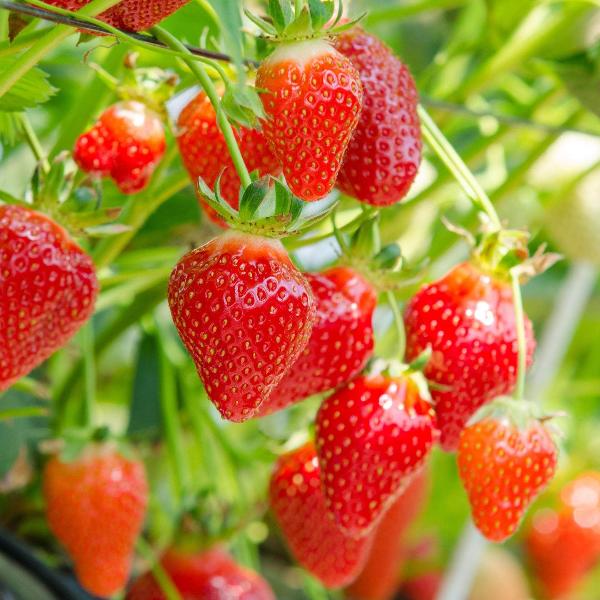
Strawberry Farming

Category:

Shiriman Global Grow Bags are specifically designed for Commercial greenhouse cultivation of strawberry crops. They promote even root distribution, accelerated growth, and robust plant health. Crafted from a precise blend of raw materials, these bags are UV-stabilized in co-extruded packaging, ensuring durability and tailored performance for diverse agricultural needs.

The Appeal of Strawberry Farming

Strawberries stand as one of the world’s most beloved fruits. Their sweet taste, vibrant red color, and versatility make them a staple in kitchens, cafes, and markets alike. Whether you’re an aspiring farmer or a seasoned agricultural enthusiast, strawberry farming offers a rewarding opportunity for personal and commercial growth. Cultivating strawberries is not just about harvesting fruit; it’s about cultivating dreams and opportunities. With their high demand and relatively low maintenance, strawberries can be the perfect addition to your farming venture.

Getting Started with Strawberry Farming

Starting a strawberry farm requires careful planning and dedication. First and foremost, selecting the right variety of strawberries is crucial to adapting to your climate and soil conditions. Some popular types include June-bearing, Everbearing, and Day-Neutral strawberries, each catering to specific farming goals and schedules. Quality soil preparation is another key component; strawberries thrive in well-drained soil rich in organic matter. Consider conducting soil tests to ensure the pH and nutrient levels support optimal growth. Additionally, location plays a vital role—strawberries need plenty of sunlight and adequate water access to flourish.

Key Practices to Maximize Your Yield

Successful strawberry farming hinges on proper maintenance and care. Regular watering, pest control, and fertilization are essential to a thriving crop. Drip irrigation systems are often recommended to maintain consistent moisture levels without drowning the plants. Mulching is another effective strategy—it helps retain soil moisture, reduce weeds, and maintain fruit cleanliness. Additionally, monitoring for pests such as aphids and spider mites, as well as diseases like leaf spot, ensures your plants remain healthy throughout their lifecycle. Pruning runners and inspecting plants post-harvest will also keep your strawberry plants productive for seasons to come.

With dedication and a focus on best practices, strawberry farming can be a fruitful endeavor, providing delectable berries that bring smiles to tables everywhere. Start your journey today, and reap the benefits of this cherished crop.

Introduction to Strawberry Farming

Strawberry farming is an increasingly popular practice for growers of all skill levels, offering both an enjoyable experience and significant economic potential. These luscious red berries are prized for their exceptional flavor, versatility, and high market demand, making them a rewarding crop for both hobbyists and small-scale commercial farmers. Whether you’re looking to start a backyard strawberry garden or embark on larger-scale cultivation, having the right knowledge is key to growing strawberries successfully.

Optimal Growing Conditions for Strawberries

To cultivate healthy and productive strawberry plants, understanding their environmental needs is crucial. Strawberries thrive in well-drained soil that’s rich in organic matter, with a slightly acidic pH range between 5.5 and 6.5. They require plenty of sunlight—ideally, 6-8 hours a day—and moderate watering to maintain soil moisture without oversaturation. Choosing between June-bearing, everbearing, or day-neutral varieties can help align your farming goals with seasonal harvests, ensuring steady yields and robust growth. A well-managed environment leads to larger, sweeter fruits, maximizing the quality of your harvest.

Tips for Successful Strawberry Farming

Successful strawberry farming relies on a combination of strategic planning, proactive maintenance, and pest prevention. Start by selecting disease-resistant seeds or starter plants. Space your plants appropriately to encourage healthy growth and airflow, reducing the risk of fungal infections. Regular weeding ensures proper nutrition access for strawberries, while mulching retains moisture and protects roots from extreme temperatures. Also, a balanced fertilizer regimen with sufficient nitrogen and potassium boosts plant energy, supporting fruit production. Proper care enhances your strawberry yield, making the farming experience as fruitful as your produce.

Conclusion: A Sweet and Rewarding Journey

Strawberry farming is much more than just growing fruit—it’s an opportunity to nurture nature and enjoy the satisfaction of producing a delicious, high-demand crop. Whether you’re new to farming or a seasoned grower, the process of cultivating strawberries is one of innovation, patience, and dedication. By creating optimal growing environments and maintaining your crops with care, you pave the way for plentiful harvests and rewarding farming experiences. Embark on this sweet journey, and enjoy the fruits of your labor!

Description

Enhance Your Farming Expertise with Strawberry Farming

Strawberry farming is an incredibly rewarding venture, offering both aesthetic appeal and economic potential. Whether you’re a seasoned professional or a gardening enthusiast exploring commercial aspirations, strawberry cultivation provides an excellent opportunity to grow an iconic fruit loved worldwide.

Known for their vibrant red color, sweet aroma, and exquisite taste, strawberries are a farmer’s favorite due to their relatively high yield per acre and broad consumer demand. Empower your farm with this guide to learning essential practices for successful strawberry farming while understanding the benefits of precision care. It’s time to make your mark in sustainable and profitable agriculture.

Reliable Techniques for Thriving Strawberry Crops

Strawberry plants thrive under specific conditions, making proper planning and execution vital for cultivating healthy, juicy fruit. First, ensure rich, well-drained soil—choosing loamy soil optimally enhances water retention and root health. Test the soil pH, aiming for a slightly acidic range between 5.5 and 7.0 for consistent growth.

Light exposure plays a key role; strawberries flourish in full sun for at least 6-8 hours a day. Incorporate irrigation systems to maintain moisture while avoiding overwatering, as it can lead to root rot or mildew.

The right cultivar plays a crucial role in your farming success. Research and explore options like June-bearing, day-neutral, or everbearing varieties to align with your harvest goals and adaptation preference. By mastering planting distances, pest control methods, and mulch techniques, you improve the overall health and yield of your strawberry fields.

Maximizing Yield Through Sustainability

Incorporating sustainable practices in strawberry farming immensely benefits the environment while ensuring consistent productivity. Organic fertilization methods, crop rotation, and natural pest deterrents support healthier ecosystems. Mulching not only retains moisture but can also suppress weeds, reduce erosion, and perennially enrich the soil structure.

Consider integrating drip irrigation systems to save water while targeting essential hydration directly to the roots. This efficient irrigation option minimizes excess runoff and reduces disease susceptibility, ensuring robust growth.

Furthermore, leveraging local markets for customers who appreciate farm-to-table freshness elevates sales potential, helping your strawberries stand out. Providing consumers with clean, pesticide-free produce showcases commitment to high-quality farming.

Take your strawberry farming endeavors to the next level with proper planning, reliable techniques, and sustainable strategies. With the right attention to detail, you’ll yield beautiful and delicious fruits that appeal to a growing audience craving natural, robust flavors.

Reviews

There are no reviews yet.

Be the first to review “Strawberry Farming”

Your email address will not be published. Required fields are marked *